
Yoga vs Pilates

Yoga and Pilates are both popular forms of exercise, especially for those looking to practice at home. While they share some similarities—like improving flexibility and strength—they differ in techniques, pace, and energy. Here’s a quick guide to help you understand the differences between them.
Yoga:

“Yoga is the artwork of awareness on the canvas of body, mind, and soul.
Yoga has ancient roots, dating back to somewhere between the 1st and 5th century CE, when the Hindu sage Patanjali began codifying meditative practices in India. The word "yoga" means "to yoke" or "to unite," symbolizing the connection between body, mind, and spirit. Patanjali described yoga as the restraint of the mind from focusing on external distractions, aiming to reach a higher state of consciousness.
Over time, yoga evolved to include physical postures alongside breathing techniques and meditation. Modern yoga is a blend of physical, mental, and spiritual practices designed to improve strength, flexibility, respiratory function, and psychological well-being.
When I first started practicing yoga, I found it really slow and boring. Holding poses for extended periods really tested my strength and patience—two things I definitely lacked at the time :) The stretches were really intense, and my muscles often ached afterward.
But with regular practice, my flexibility improved significantly. I eventually came to enjoy the stillness and deep breathing, which helped me cultivate patience and mental clarity. It became a way to meditate and process my thoughts.
In my experience, yoga is a wonderful way to relax and clear your mind. It can be challenging at first, but with time, your body adapts and begins to embrace the practice.
Pilates:
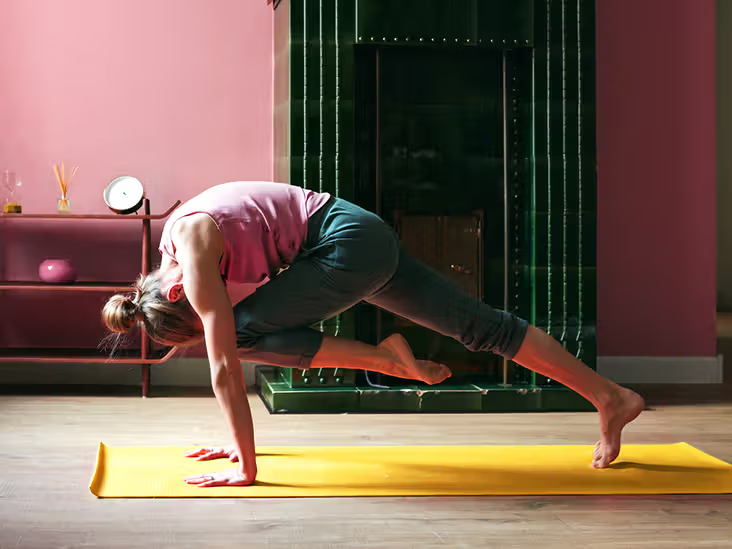
Pilates was developed in the early 20th century by the German physical trainer Joseph Pilates while he was interned during World War I. Today, it’s commonly practiced either on a mat or with a reformer machine.
The key difference between Pilates and yoga is movement. While both enhance flexibility and strength, Pilates is more dynamic and requires greater physical energy. It focuses heavily on core strength and encourages continuous movement during exercises. Many Pilates movements are similar to those in yoga, but the flow and intensity make the experience feel quite different.
Like yoga, Pilates can be tough when you're just starting out. But with consistent practice, it becomes more enjoyable and rewarding. Personally, I find Pilates more energizing and motivating. It leaves me feeling stronger and more confident in my body.
Conclusion:
Yoga is ideal for developing self-awareness and connecting with your mind and body in a meditative way. Pilates, on the other hand, is great for building energy and boosting your physical confidence. Both practices offer unique benefits. And you don’t have to stick to just one! You can choose whichever practice feels right for your body in the moment.
Sources:

